01.What Is the Average Price of a House in Aruba?
In general, inland residential houses in established neighborhoods such as Noord, Savaneta, Santa Cruz, and parts of Oranjestad tend to offer the most accessible price points. These are areas where daily life feels practical and residential rather than tourist-driven, quiet streets, family homes, easy parking, and quick access to essentials like supermarkets, schools, and main roads.
Houses in these communities are popular with full-time residents and long-term renters because they offer functional layouts, lower exposure to coastal wear, and more predictable maintenance costs, which helps keep pricing stable over time.
As houses move closer to the coast, pricing increases noticeably. Beach-adjacent houses near Palm Beach, Eagle Beach, Bubali, and Malmok are priced higher due to lifestyle demand and limited inventory. These homes often sit just a few minutes’ walk from the shoreline, close enough to enjoy the beach, sunsets, and ocean breeze, but without being directly exposed to constant salt spray and wind.
Buyers are drawn to these areas because they balance coastal living with manageable upkeep, making them attractive for both personal use and long-term value.
02.Is Aruba Expensive to Live In?
Aruba is not a low-cost destination, but day-to-day living expenses depend far more on how and where you live than on the island itself. Many newcomers assume costs are uniformly high when in reality, lifestyle choices play the biggest role.
Utilities are one of the most noticeable factors. Electricity and water costs can vary significantly based on air-conditioning usage, pool equipment, and household size. Homes designed for airflow, shaded outdoor areas, and energy-efficient systems tend to be easier to manage month to month.
Property maintenance is another key consideration, especially for houses with pools, gardens, or outdoor living spaces. Inland homes in residential neighborhoods often require less frequent upkeep than coastal properties exposed to salt air and wind.
Spending also changes based on consumption habits. Imported goods, vehicles, and specialty items cost more than in many countries, while local produce and services are more reasonably priced.
Location matters as well. Living near tourist-heavy areas such as Palm Beach typically comes with higher everyday costs, while residential neighborhoods like Noord, Oranjestad outskirts, or Savaneta are better suited for full-time living with more predictable expenses.
Many long-term residents manage costs successfully by choosing inland homes, limiting unnecessary luxury features, and settling in neighborhoods built for everyday life rather than vacation use.
03.Can Americans Buy a Home in Aruba?
Yes. Americans can legally buy a home in Aruba with full ownership rights, and residency is not required to purchase property. U.S. buyers are treated the same as local buyers under Aruban law, with no nationality-based restrictions on ownership.
There are no special permits or approvals required for American buyers, and property transfers are completed through licensed Aruban notaries, which ensures a clear title, proper registration, and legal transparency. This notary-led process is one of the key safeguards that protect buyers throughout the transaction.
Many American purchasers complete the entire process remotely, using a power of attorney for document signing and closing. This structure makes Aruba especially attractive to U.S. buyers who want international property ownership without relocating full-time.
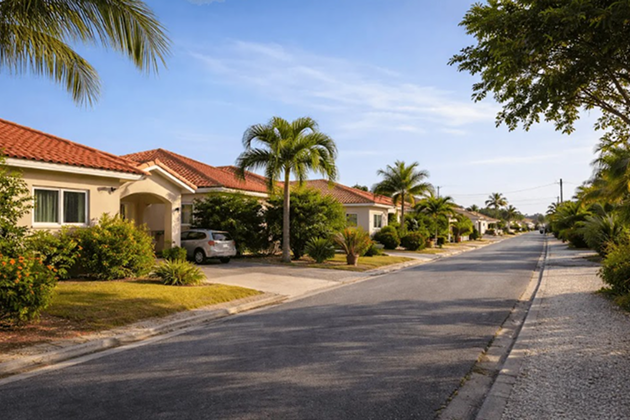
The combination of secure ownership rights, a regulated buying process, and geographic accessibility is a major reason Aruba continues to be a preferred destination for American homebuyers.
04.Where Do the Wealthy Live in Aruba?
Wealthy buyers in Aruba typically choose areas that offer privacy, exclusivity, and long-term value. Popular locations include Malmok and Noord for upscale residential living, Palm Beach for lifestyle convenience, gated and golf-course communities, and select beachfront corridors with limited inventory. These areas attract luxury buyers seeking ocean proximity, security, and strong resale demand.
05.Aruba Homes for Sale Beachfront
True Aruba homes for sale beachfront are far more limited than many buyers expect. In Aruba, beachfront property is tightly regulated, and there are only a small number of houses that sit directly on the sand with uninterrupted ocean access. Because of this scarcity, it’s important to understand what “beachfront” really means before moving forward.
Many listings described as beach houses are actually:
- A short walk to the beach, often just a few minutes away
- Located across a coastal road, with beach access directly opposite
- Situated within beach-adjacent communities near areas like Eagle Beach, Palm Beach, or Malmok
These homes still offer excellent lifestyle value, but they are not the same as true beachfront ownership, and pricing reflects that difference.
When buyers are evaluating Aruba beachfront homes for sale, there are a few critical details that should always be verified upfront. This includes the exact distance to the shoreline, whether the property is truly beachfront or near-beach, and any coastal zoning regulations that may limit future renovations or expansions.
Environmental exposure is another key factor. Homes closest to the ocean experience higher levels of salt air, wind, and humidity, which increase long-term maintenance requirements. Roof materials, exterior finishes, windows, and pool systems all need closer attention compared to inland properties.
For buyers who value lifestyle and long-term ownership, beachfront homes offer unmatched views and proximity, but they also come with higher purchase prices and ongoing upkeep costs. This is why many buyers compare beachfront options alongside other high-quality houses for sale in Aruba that offer strong value just steps away from the water.
Understanding these distinctions early helps buyers align expectations with reality and choose the right coastal property for their goals.
06.Aruba Houses for Rent on the Beach: Reality vs Expectations
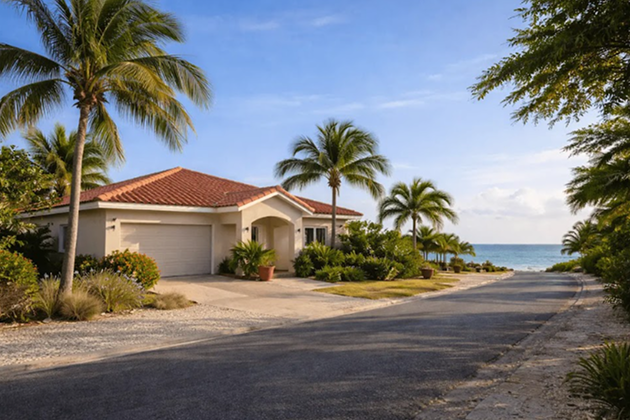
Aruba houses for rent on the beach do exist, but availability is far more limited than many renters expect. Most true beachfront houses are privately owned and often reserved for short-term or seasonal use rather than long-term living.
In practice, the majority of beachfront rentals in Aruba are:
- Short-term or seasonal, especially during peak travel months
- Offered as furnished lifestyle rentals, not residential leases
- Priced based on location scarcity, not just square footage or bedroom count
Long-term beachfront house rentals are uncommon, and when they do become available, they are usually leased quickly and at a premium. For this reason, renters comparing options often look beyond “true beachfront” and focus on properties that provide proximity without the same limitations.
Many renters ultimately find better value with near-beach houses, homes located a short walk or drive from the shoreline in areas like Eagle Beach, Palm Beach, or Malmok. These properties still offer easy beach access but come with more flexible lease terms, lower maintenance exposure, and more predictable monthly costs.
Reviewing past availability and rental patterns, such as those shown on our Houses for Rent in Aruba listings, helps renters understand what is realistically available and how demand shifts throughout the year. This perspective makes it easier to balance lifestyle goals with practical considerations.
Understanding these realities upfront helps renters avoid frustration and choose a beach-area home that truly fits their timeline, budget, and expectations.
07.How Housing Differs in Noord, Palm Beach, and Oranjestad
Foreign buyers and renters often compare Noord, Palm Beach, and Oranjestad because each area supports a very different lifestyle and housing experience.
Noord is one of the most popular areas for long-term residential living. Housing here is primarily made up of family homes, villas, and established neighborhoods designed for everyday life. Buyers and renters choose Noord for its quieter streets, easy access to supermarkets and schools, and a strong sense of residential stability. It’s especially appealing to families, professionals, and expats planning extended stays rather than short visits.
Palm Beach is more lifestyle-driven. Housing options here are closer to resorts, restaurants, shopping, and nightlife, which naturally affects pricing and availability. While the area is known for condos, select houses do exist and are often priced higher due to location demand. Palm Beach appeals to buyers and renters who value walkability, entertainment, and proximity to amenities over purely residential surroundings.
Oranjestad offers a more practical, central living experience. Housing here provides convenient access to government offices, hospitals, banks, and daily services. Properties range from traditional homes to mixed-use neighborhoods, making Oranjestad suitable for buyers and renters who prioritize connectivity, commuting ease, and urban convenience.
Each area attracts a different profile of buyer or renter, and understanding these distinctions is essential. Local guidance helps ensure you choose a location that fits not just your budget, but how you actually plan to live in Aruba.
08.Aruba Guest Houses: Investment or Lifestyle?
Aruba guest houses sit at the intersection of investment and lifestyle ownership, and they appeal to buyers with clearly defined goals. These properties are typically multi-unit homes designed to accommodate multiple tenants or guests, making them attractive to buyers seeking long-term rental income or a small, hands-on hospitality-style operation.
From an investment perspective, guest houses can work well for buyers who understand Aruba’s rental dynamics and are prepared for active involvement. Income potential depends on unit layout, location, tenant mix, and whether the property is positioned for long-term residential rentals or shorter stays.
That said, guest houses require more due diligence than single-family homes. Buyers must verify zoning classifications to confirm that multi-unit use is legally permitted. Not all residential properties in Aruba are approved for guest-house or multi-dwelling operation, and assumptions in this area can lead to operational restrictions later.
Rental permissions are equally important. Some properties may allow long-term rentals but restrict short-term or transient use. Understanding these limits upfront helps buyers avoid compliance issues and protects future income expectations.
Ongoing management planning is another critical factor. Guest houses involve multiple tenants, higher maintenance demands, utility allocation, and tenant coordination. Buyers should consider whether they will manage the property themselves or engage local property management support.
Because of these factors, Aruba guest houses are best suited for buyers with defined investment objectives and operational readiness, rather than those seeking a low-maintenance or purely lifestyle-oriented property. Clear planning and local guidance are essential to determine whether a guest house aligns with your long-term goals.
09.Renting vs Buying a House in Aruba: How to Decide
For many foreigners, deciding whether to rent or buy a house in Aruba isn’t about what’s better, but what fits their timeline, lifestyle, and long-term plans. The right choice depends on how you expect to use the property, not just where it’s located.
Length of stay is often the first deciding factor. Renting makes sense for short-term stays, trial periods, or when you’re still learning the island’s neighborhoods. Buying tends to suit those planning extended stays or repeat visits over many years.
Budget flexibility also matters. Renting limits upfront costs and simplifies monthly planning, while buying requires capital but offers long-term cost control and asset ownership. Some buyers prefer predictability over time, while renters value flexibility.
Maintenance responsibility is another key difference. Renters typically have fewer obligations, while owners must plan for upkeep, repairs, and long-term maintenance, especially for houses with pools or outdoor space.
Finally, consider your investment versus lifestyle goals. Renting prioritizes convenience and mobility. Buying prioritizes stability, control, and potential long-term value.
There’s no one-size-fits-all answer. The best decision comes from understanding how you plan to live in Aruba and choosing the option that supports that vision.
10.Final Thoughts on Aruba Houses
Understanding Aruba houses means looking beyond listings and photos. Real decisions come from knowing how locations differ, what long-term costs look like, and how ownership or renting works in practice. Whether your focus is coastal living, residential neighborhoods, or future investment, clarity comes from understanding the realities before committing.
Local insight plays an important role in this process. On-island professionals help translate market details into practical guidance, ensuring the house you choose supports your lifestyle, budget, and long-term plans, not just what looks appealing online.
Thinking about houses in Aruba?
A conversation with a local Aruba realtor can help you evaluate your options clearly and move forward with confidence.
common questions
Frequently Asked Questions
Is Aruba cheaper than the USA?
Can you live permanently in Aruba?
How long can you stay in Aruba if you own a house?
Is buying a house in Aruba a good long-term investment?
Do foreigners pay property tax in Aruba?
Still have questions?
Can’t find the answer you’re looking for? Please contact to our friendly team!









 MPG Real Estate Aruba
 Scopet Straat #5, Aruba,

 Open 24 Hours