01.Key Takeaways
- Plan Aruba by area: Oranjestad, Palm Beach, Noord, Eagle Beach, San Nicolas, and Savaneta all feel different.
- Short trip? Do west-coast beaches + Oranjestad, then add Arikok if you want one big “wow” day.
- Cruise day: pick one anchor (beach or city or nature) and keep the rest close to port.
- Families: morning beach, midday breaks, and one bundled activity day if you want maximum ease.
- Couples/adults: prioritize sunset + Palm Beach/Noord nights, and add one unique local stop.
- Use the 3–5 day itineraries to plan faster, and figure out which area fits you best.
02.Is Aruba Worth Visiting?
Yes, Aruba is worth visiting if you want a sunny, easy Caribbean trip with beautiful swimmable beaches, a safe, visitor-friendly vibe, and enough variety to keep every day different (Oranjestad culture, Palm Beach nightlife, and the wild scenery of Arikok National Park). It’s especially worth it for couples, families, and first-time Caribbean travelers because getting around is simple, and you can mix beach relaxation with short day adventures.
The only time it may feel “not worth it” is if you dislike busier high-season crowds or prefer a jungle-style island, Aruba is drier, beachier, and breezier than lush and rainy.
03.What is the Number One Best Thing to Do in Aruba?
If you only do one thing, make it this: spend a full, un-rushed day on Aruba’s west-coast beaches, start in the morning, stay through golden hour, and let the island’s “slow-happy” rhythm sink in.
Two great alternatives, depending on your style:
- If you want adventure + nature: dedicate a half-day to Arikok National Park (our national park) and aim for dramatic coastline views and the famous Natural Pool (Conchi).
- If you want city energy + culture: do a walking day in Oranjestad, museums, local snacks, shopping streets, and sunset by the harbor.
Aruba isn’t the kind of place you visit. It’s the kind of place that quietly hijacks your plans. You come for a beach day… and suddenly you’re chasing sunsets, eating as you’ve never seen a calorie, and realizing the island has two personalities: calm, glassy water on the west coast and wild, wind-whipped drama on the other, with Oranjestad sitting in the middle like the colorful heartbeat that ties it all together.
So don’t read this guide like a boring list. Read it like a local map. I’ll show you what to do based on your vibe first (beach, adventure, nightlife, family), then I’ll break it down by area, because Noord feels nothing like Oranjestad, and San Nicolas is its own world. And if you’re still deciding where to stay, treat each “By Area” section as a lifestyle preview
04.Top Things to Do in Aruba
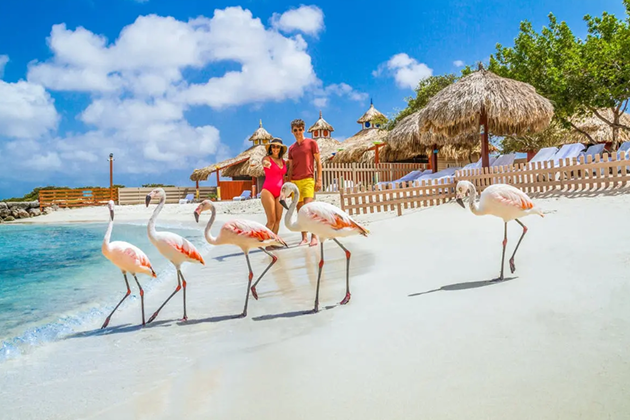
Here’s my quick preview list (so you can plan fast). I’m giving you 35+ ideas, some iconic, some local favorites, then I’ll unpack the best ones in detail below:
- Beach-hop the west coast (Palm Beach → Eagle Beach → quieter stretches)
- Sunrise beach walk before the island heats up (pure calm, no crowds)
- Sunset picnic on the sand (simple, unforgettable)
- Arikok National Park for rugged landscapes and coastline views
- Natural Pool (Conchi) if sea conditions are safe
- Hike/drive to Aruba’s viewpoints for wide-open “wow” photos
- Explore Oranjestad on foot (colorful streets + harbor views)
- Visit Fort Zoutman and learn a bit of Aruba’s story (quick but worth it)
- Catch the tram/trolley area for easy downtown exploring (when running)
- Shop local markets & small boutiques (skip the “first store off the ship”)
- Do a café morning in town (Aruba is meant to be lived, not rushed)
- Spend a night in Palm Beach for restaurants + lively atmosphere
- Noord dining night (great base area + easy access to everything)
- Try pastechi from a local spot (make it a mini “taste mission”)
- Eat fresh seafood in Savaneta (slower, more local coastal vibe)
- San Nicolas mural walk (outdoor art gallery feel)
- Photograph San Nicolas at golden hour (colors pop beautifully)
- Snorkel in calm, clear water (pick a day with good visibility)
- Take a beginner-friendly water activity (SUP/kayak/snorkel tour)
- Do a catamaran cruise (daytime chill or sunset romance)
- Try a sunset sail (couples love this for a reason)
- Short “wild coast” drive to feel Aruba’s dramatic side (wind + waves)
- Visit a lighthouse viewpoint for classic Aruba scenery
- Explore Aruba’s caves (great for a break from the sun)
- Look for hidden photo spots away from the busiest beach entrances
- Beach day at Eagle Beach for wide sand + relaxed vibe
- Palm Beach day if you want action + people-watching
- Plan a “no plans” day (your favorite day will often be the unplanned one)
- Try a local snack + drink combo (pastechi + something cold)
- Do a “local dinner night” (ask what’s fresh, don’t overthink it)
- Go out at night (dinner → walk → lounge/music/casino vibe)
- Take a cruise-port half-day plan (Oranjestad + quick beach)
- Walk to Surfside Beach from the cruise port (easy, close, relaxing)
- De Palm Island day for families and “everything in one place” fun (slides/water park-style day)
- Family beach morning (calm water + shade breaks = happiest kids)
- Couples day: beach + sunset + dinner (simple formula, always wins)
- Adults day: lounge + fine dining + nightlife (Palm Beach/Noord easiest)
- Take a “neighborhood vibe” drive to see the island beyond resorts
- Stop for a viewpoint + quick photo on your way between areas (small detours, big payoff)
- End your trip with your favorite beach one more time (the “last sunset” tradition)
4.1 Fun Things to Do in Aruba
If you want the most fun things to do in Aruba, plan your days in three layers: water + one big activity + a relaxed night out.
- Do a water day (easy fun): swim, float, snorkel, or paddleboard on the calm west coast.
- Pick one “big fun” day: De Palm Island is a simple way to stack experiences in one place (snorkel time + family activities + water slides).
- Finish with an Aruba night: shower, light dinner, then a slow walk where the music spills out of restaurants and bars, no rush, just vibes.
4.2 Cool Things to Do in Aruba
The cool things to do in Aruba are usually the ones that feel a little more local, quiet viewpoints, hidden streets, and small food moments.
- Catch a sunset viewpoint where you hear wind + waves (trade-wind soundtrack).
- Do a short scenic hike for wide island views without a “hard hike” feeling.
- Explore caves + the wild coastline for dramatic landscapes and photos.
- Run a pastechi mission: try it from more than one local spot (you’ll have a favorite).
- Walk San Nicolas murals for bold color, culture, and a totally different side of Aruba.
4.3 Unique Things to Do in Aruba
The most unique things to do in Aruba are the experiences that mix nature, culture, and slow local moments, not just tours.
- Start with a local morning: sit in a neighborhood café (not only the resort strip) and watch Aruba move at real speed.
- Explore San Nicolas art streets: the murals aren’t a one-time attraction, they change and evolve like an outdoor gallery.
- Go to Aruba’s rugged side: the windier coast feels like a different island—raw, dramatic, unforgettable.
- Use the island’s size as your advantage: beach in the morning, culture inland in the afternoon, sunset by the water, without spending the day driving.
4.4 Non-Touristy Things to Do in Aruba
The best non touristy things to do in Aruba are simple: early mornings, local food, and respectful nature time.
- Go early: sunrise or morning beach time feels private and peaceful.
- Eat where locals eat: choose small neighborhood spots over the loudest, most crowded places.
- Follow shoreline respect rules: don’t take coral, don’t disturb wildlife, and don’t treat the beach like a souvenir store.
- Choose calm over chaos: this is the Aruba that makes people say, “I came for a week… and now I’m checking condos.”
4.5 Things to See and Do in Aruba
The easiest way to plan the best things to see and do in Aruba is to use a simple daily formula: beach + culture + nature + sunset.
- See: Oranjestad historic areas + harbor views
- Do: beach time + one snorkel/swim stop
- See: a viewpoint or rugged coastline scenery
- Do: a short walk through murals or local streets
- Finish: sunset + dinner
05.By Area (MPG Lifestyle Advantage)
Use these sections like a shortcut: pick the area that matches your mood, then build your day around it.
5.1 Best Things to Do in Oranjestad, Aruba
Oranjestad is where Aruba feels like a real town, not just a resort backdrop, and the best way to enjoy it is slowly and walkably. Start early while it’s cooler: stroll the colorful downtown streets, pop into a small shop, and grab a quick local bite (I always tell visitors to try a fresh pastechi).
Pick one cultural stop, like Fort Zoutman, so you get the island’s story without turning the day into a museum marathon. Then come back at golden hour for harbor views, city lights, and an easy dinner walk.
5.2 Things to Do in Oranjestad, Aruba Near Cruise Port
If you’re arriving by ship, keep it simple and stay close; you can get a real Aruba feel in 3–5 hours without rushing. Start with a quick downtown walk and make Fort Zoutman your easy landmark stop (it’s central and gives you instant local context). If the free trolley is running, use it to save time and feet.
For shopping, don’t buy at the first storefront; walk a couple of blocks deeper, compare, then choose. Finish with a breezy waterfront break or an easy walk to Surfside Beach for a quick swim and photos before heading back. This plan avoids “tour panic” and still feels like Aruba.
5.3 Things to Do in Palm Beach, Aruba
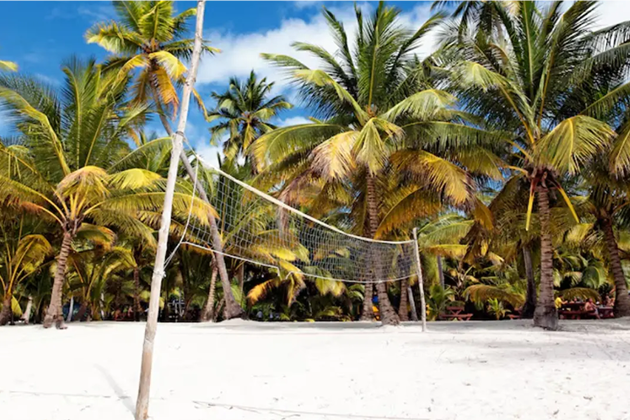
Palm Beach is Aruba’s “easy mode”, high-energy, walkable, and everything is close. Start late morning on the sand, then jump into water fun (snorkel, paddleboard, or just float and reset). In the afternoon, cool off with a drink break and a quick browse at Paseo Herencia Mall (easy, central, air-conditioned). When the sun drops, Palm Beach flips into nightlife: dinner, then a slow walk along the strip where you’ll hear music and see the island come alive.
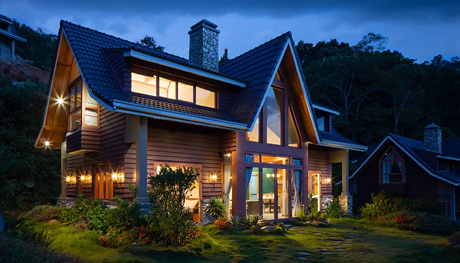
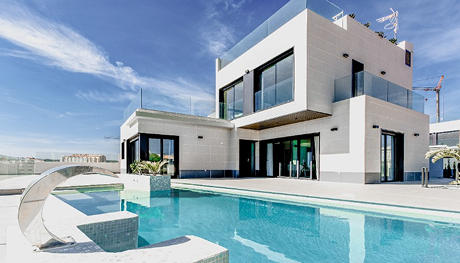
If you want a stay where beaches, dining, and nightlife are all minutes away, Palm Beach is one of the best bases, explore the lifestyle and properties in Palm Beach.
5.4 Things to Do in San Nicolas, Aruba
San Nicolas is Aruba with the volume turned down and the culture turned up. If you want something beyond beaches, start with a mural walk through the San Nicolas street-art district, the walls here aren’t random paint, they’re stories, and every few blocks you’ll find another “wait… wow” photo spot. Go in the late afternoon when the light is soft and the colors pop.
Then make it a south-side day: drive out toward Baby Beach for calm, shallow water (great for floating and families) and stay long enough to feel how different the island is down here, less resort energy, more local rhythm. San Nicolas is perfect when you want Aruba to feel real, creative, and a little unexpected.
5.5 Things to Do in Noord Aruba
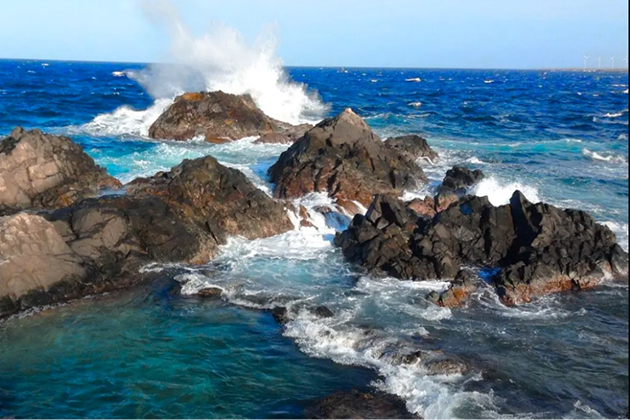
Noord is the part of Aruba where visitors quietly switch from vacation mode to I could live here. It’s close to the action, but it feels more practical and neighborhood-like once you step off the busiest roads, plus you’re minutes from both Palm Beach and Eagle Beach. Do Noord like a local: start with a calm coffee, then spend your day bouncing between beach time and quick stops (this area makes everything feel easy). At night, Noord is perfect for a simple rhythm, dinner, a relaxed lounge, and a slow drive home without the chaos of the main strip.
If you want convenience with a real residential vibe, explore the lifestyle and properties in Noord.
5.6 Things to Do in Eagle Beach, Aruba
Eagle Beach is where Aruba tells you to slow down. The sand is wide, the water stays inviting, and the vibe is quieter than Palm Beach, more “deep breath” than “party plan.” If you want that postcard moment, walk up toward the iconic fofoti/divi-divi trees that lean with the trade winds (this is one of the most photographed corners on the island). Then do what locals recommend: claim a shady spot, swim when the water is calm, and let the afternoon pass without checking the time.
My favorite way to do Eagle Beach is simple: lazy beach day, sunset walk, toes-in-the-sand dinner at Passions on the Beach, early night. It’s perfect for families, couples, and anyone who wants Aruba to feel peaceful, not packed.
5.7 Things to Do in Savaneta, Aruba
Savaneta is Aruba in slow motion, in the best way. This is where you come when you’re done chasing “top 10 lists,” and you just want the island to feel real. The main event here is simple: coastal dining that tastes like Aruba, not a tourist menu. Plan your evening around the water, show up hungry, and let the pace stretch. Savaneta dinners aren’t rushed; they turn into long conversations and second rounds.
Before dinner, take a quiet shoreline drive and stop anywhere that feels calm (that’s the magic here). No loud strip, no big nightlife scene, just a residential, easy vibe that’s perfect for couples, families who want peace, or anyone imagining what Aruba could feel like long-term.
06.Best Things to Do in Aruba on a Cruise
The secret to a great Aruba cruise day is simple: don’t try to do “a little of everything.” Pick a plan that matches your time window, and leave a buffer so you’re not sprinting back to the ship.
If you have 2–4 hours (keep it close + easy):
- Do a downtown Oranjestad loop (colorful streets + quick photos).
- Grab one “signature bite” (pastechi is the fast local win).
- Walk to Surfside Beach for a quick swim and that “I actually touched Aruba” moment.
- Head back early; cruise time is not the day to gamble.
If you have 6–8 hours (choose ONE big anchor):
- Beach day: go straight to Eagle Beach (relaxed) or Palm Beach (lively).
- City + culture: Oranjestad + one museum/fort stop + harbor sunset vibe.
- Nature day: book a guided trip if you’re aiming for Arikok/Natural Pool, it saves time and avoids wrong turns.
07.Free Things to Do in Aruba Cruise Port
Yes, you can enjoy Aruba near the cruise port without spending much; you just need a simple plan so the heat doesn’t drain your energy.
- Walk downtown Oranjestad for architecture, color, and photos (it’s the easiest “free culture”).
- Harbor views + breeze break near the waterfront (perfect mid-day reset).
- Walk to Surfside Beach (free entry) for a quick swim or feet-in-the-sand moment.
- Window-shop smart: walk a few blocks deeper before deciding what’s worth buying.
7.1 Things to Do in Aruba at Night
Aruba nights are about breezy walks, slow dinners, and music in the air, not just clubs. Do it like this: sunset on the beach, dinner where you can linger, then a stroll in Palm Beach/Noord for lounges, live music, or a casino, finish with a quiet nightcap.
7.2 Things to Do in Aruba for Adults
For adults, Aruba is mood over schedule: a sunset sail, cocktail lounges, live music, and unhurried fine dining. Add a casino night if you want sparkle, then balance it with a relaxed beach day and a “grown-up lunch” stop. Best areas for adult nightlife: Palm Beach and Noord.
7.3 Things to Do in Aruba for Couples
Couples should plan Aruba in layers: sunset + beach walk + dinner, then one memorable day (Arikok/Natural Pool or a private-island style trip), and finally the small moments, an early quiet morning and an unplanned beach afternoon. That mix feels romantic without trying too hard.
7.4 Romantic Things to Do in Aruba
For romance, keep it simple and personal: choose a quieter sunset spot, book a toes-in-the-sand dinner, swim together in calm water mid-morning, and add one cultural night (murals, local food, slow walk). Aruba romance works best when you don’t over-plan; let the island do the work.
7.5 Things to Do in Aruba With Kids
Aruba is family-friendly when you plan for calm water + shade + breaks. The easiest wins: do beach time in the morning (kids stay happier), pick wide beaches where they can run, and bring water shoes for any rocky patches.
For a “one-and-done” activity day, De Palm Island is popular because it bundles everything, swim time, snacks, and kid-style water fun (including slides/water park-style activities). Keep afternoons flexible (heat + kids = snack breaks or naps), and don’t try to cram five big stops into one day; one main activity is plenty.
7.6 Things to Do in Aruba for Families
Here’s a simple 1–2 day family plan that feels fun, not exhausting:
- Day 1 (easy beach day):
Morning beach time, lunch + shade break, quick sunset stop, early dinner.
- Day 2 (choose your vibe):
Option A: short scenic stops + one easy nature walk
Option B: De Palm Island for an all-in-one play day (less driving, more fun).
08.Do and Don'ts in Aruba?
Here’s the no-drama, local-approved list of what to do and what NOT to do in Aruba, including what’s prohibited so you don’t ruin your trip at the airport.
8.1 Do (smart Aruba habits)
- Do respect the ocean: don’t touch coral, don’t stand on reefs, and don’t chase wildlife.
- Do hydrate constantly: Aruba sun + wind can dehydrate you fast, even when it feels “nice.”
- Do plan transport off the resort strip: taxis/buses are easy, but know your route before you wander.
- Do protect yourself from wind-burn: trade winds make the sun feel weaker than it is.
8.2 Don’t (what to avoid + what’s prohibited)
- Don’t take shells from Aruba, it’s prohibited. Aruba’s official guidance warns that exporting seashells is forbidden, and shells can be confiscated with fines at the airport.
- Don’t take coral, sand, or natural souvenirs. Beyond the environmental harm, it can also cause airport/customs issues.
- Don’t “harvest” sea glass. Sea glass is generally treated differently than shells because it’s man-made, but keep it respectful: take only a few pieces you truly love, don’t dig, and don’t strip a shoreline.
- Don’t assume gift-shop shells are safe to travel with. Even if something is sold, customs rules can still apply, and enforcement happens at departure.
- Don’t take conch shells. The safest answer is none, because Aruba treats shell exporting as prohibited and enforces confiscation/fines.
- Don’t push into rugged coast areas without a plan. Conditions can change fast, waves, wind, and terrain are no joke.
8.3 What not bring to Aruba (quick, practical)
- Don’t pack anything that could cause customs trouble (restricted items vary by airline/country).
- Don’t bring bags specifically meant for collecting “beach souvenirs” (shells/coral/sand), as Aruba protects its natural heritage.
- Best practice: check your airline + official entry/customs rules for your passport country before flying.
09.Aruba Itinerary 3 Days (First-Timer, No Stress)
Day 1: Arrive + settle in → late afternoon Palm Beach walk → sunset on the sand → dinner and a casual night stroll.
Day 2: Morning beach time (go early) → quick break → Oranjestad for a short city walk + local snack → harbor sunset.
Day 3: Eagle Beach “exhale” day → optional quick stop at a viewpoint → early dinner and pack.
Local tip: One big anchor per day. Aruba feels best when you don’t rush.
10.Aruba Itinerary 4 Days (Best Mix of Beach + Culture)
Day 1: Palm Beach vibe + dinner walk (easy start).
Day 2: Oranjestad morning (Fort + downtown loop) → beach afternoon → relaxed evening.
Day 3: Choose your adventure: Arikok/Natural Pool day (guided is easiest) or a full west-coast beach hop (Palm → Eagle).
Day 4: San Nicolas murals late afternoon → Baby Beach calm-water stop → final sunset.
Local tip: Do culture in the morning, beaches in the afternoon, sunsets every day.
11.Aruba Itinerary 5 Days (See More, Still Relax)
Day 1: Arrive + Palm Beach evening stroll.
Day 2: Beach morning → Oranjestad afternoon + dinner.
Day 3: Arikok + Natural Pool (or rugged coast viewpoints) day.
Day 4: San Nicolas murals + Baby Beach + easy southern coast drive.
Day 5: “Slow Aruba” day: Eagle Beach or a quiet Savaneta dinner night to end the trip right.
Local tip: Your best memories come from the “slow day,” not the packed one.
12.Conclusion: Plan Aruba by Area, Then Let the Island Surprise You
The best things to do in Aruba aren’t found by cramming your schedule; they’re found by planning the smart way: by area and vibe. Spend your easy days on the west coast (Palm Beach, Noord, Eagle Beach), take one unforgettable culture day in Oranjestad, and add a south-side moment in San Nicolas or a slow dinner night in Savaneta to feel the real island rhythm. Whether you’re here for a quick cruise stop, a family vacation, or a couples getaway, the winning formula is simple: one anchor activity per day, sunsets every evening, and breathing room in between.
And if Aruba starts feeling less like a trip and more like a lifestyle, explore MPG Real Estate Aruba’s area pages to see what it’s like to live in the neighborhoods you’ve just fallen in love with.
common questions
Frequently Asked Questions
What is the $20 fee in Aruba?
Why do Americans go to Aruba?
What jewelry is Aruba known for?
Is it worth going to Baby Beach, Aruba?
Is Aruba child-friendly?
What to beware of in Aruba?
What months to avoid Aruba?
Can you drink tap water in Aruba?
Do you need water shoes in Aruba?
Which is safer, the Bahamas or Aruba?
Still have questions?
Can’t find the answer you’re looking for? Please contact to our friendly team!








 MPG Real Estate Aruba
 Scopet Straat #5, Aruba,

 Open 24 Hours